Telegram Cold Outreach: B2C Guide for Web3
Telegram Cold Outreach: B2C Guide for Web3
Web3 Marketing
Jan 22, 2026
Jan 22, 2026
Practical B2C guide to Telegram outreach for Web3: targeting, message templates, compliant automation, and metrics to boost engagement and wallet connections.
Practical B2C guide to Telegram outreach for Web3: targeting, message templates, compliant automation, and metrics to boost engagement and wallet connections.
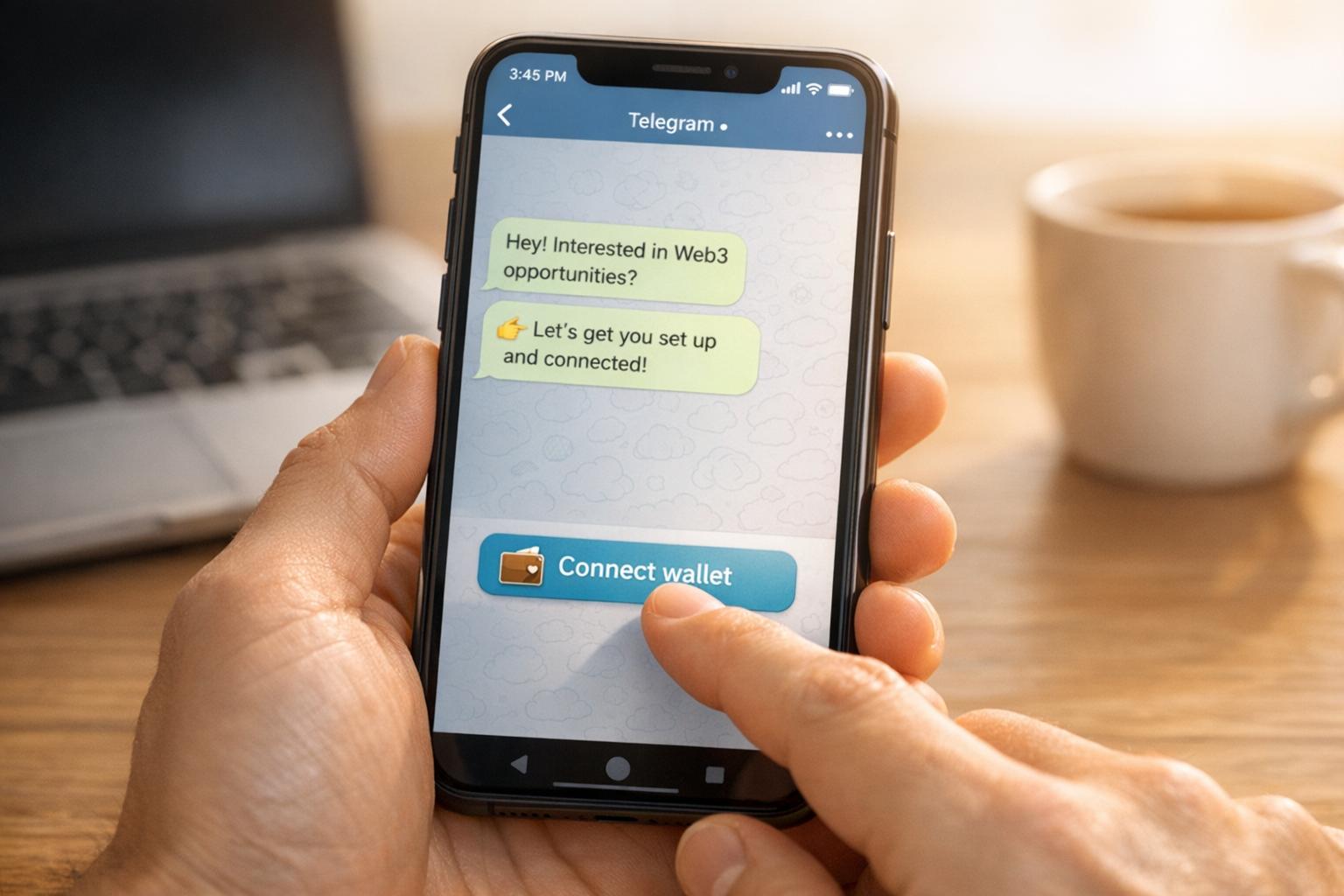
Telegram is a top platform for connecting with Web3 audiences. With over 500 million users - many already engaged in crypto - it offers a direct, real-time communication channel ideal for businesses targeting blockchain users. Unlike email or LinkedIn, Telegram enables faster responses, supports Web3 integrations like TON (crypto wallets, DeFi tools), and provides features like groups, channels, and bots for effective outreach.
Key takeaways:
Why Telegram? Real-time engagement, privacy-focused users, and native Web3 tools.
Targeting: Use Telegram groups and Web3 user data to find your audience.
Messaging: Personalize messages based on user interests (e.g., NFTs, DeFi) and keep them concise.
Automation: Tools like Enreach streamline outreach and optimize B2B sales while staying within Telegram’s message limits.
Metrics: Track response rates (aim for 25%+), click-throughs, and wallet connections to refine campaigns.
Telegram aligns perfectly with the fast-paced and privacy-centric nature of Web3, making it an essential tool for B2C outreach. This guide covers everything from targeting and messaging to automation and performance tracking.
70% reply rates from automated Telegram outreach – Web3 Sales and Web3 BD
Why Use Telegram for Web3 B2C Outreach
Telegram's Position in Web3 Marketing
Telegram has established itself as the go-to platform for Web3 communities, thanks to its strong emphasis on privacy. This aligns perfectly with the preferences of crypto-native users, who value pseudonymity and data security. For B2C outreach, this means businesses can connect with highly engaged users without needing to collect personal data - a win-win for both parties.
One standout feature is Telegram's TON integration, which supports gas-free transactions, in-app crypto wallets, and easy access to decentralized finance (DeFi). With the TON Foundation aiming to onboard 500 million users by 2028, Telegram is positioning itself as a major gateway for Web3 adoption. For businesses, this makes the platform a critical tool for scaling outreach efforts as the Web3 ecosystem grows.
Another game-changer is Telegram Mini Apps. These allow Web3 projects to offer complete transaction experiences directly within the app, eliminating the need to send users to external websites or wallets. This keeps the entire customer journey smooth and uninterrupted, boosting engagement and conversion rates.
These features highlight why Telegram is more than just a messaging app - it's a powerhouse for Web3-focused B2C outreach.
Key Benefits for B2C Outreach
Telegram’s technical features translate into practical benefits for businesses aiming to reach Web3 consumers. One of the biggest advantages is real-time communication. In the fast-moving crypto world, timing is everything. Unlike email, Telegram messages are delivered instantly with notifications, ensuring your outreach connects with users when they’re actively engaged in Web3 discussions.
The platform also shines with its community-focused tools. Channels allow businesses to broadcast updates to unlimited subscribers, while Supergroups enable two-way interactions with up to 200,000 members. Add in programmable bots, which can handle tasks like token-gating, automated onboarding, and lead qualification, and you’ve got a system that works around the clock to engage prospects while keeping interactions personal.
How to Define and Target Your B2C Audience
Finding Your Ideal Web3 Customer
To connect with your ideal Web3 customers, start by identifying Telegram groups where they are most active. Search for keywords like "DeFi," "GameFi," "NFT collectors," or event names such as "ETH Denver 2024" or "Web3 Summit". These searches will help you discover communities filled with users discussing topics directly related to your product.
Once you’ve pinpointed relevant groups, dive deeper into member profiles. Check user bios for details like job titles, company affiliations, or specific interests to confirm if they align with your target audience. You can also use the "Similar Groups" feature to find other communities that overlap with the ones you’ve already identified.
Another effective strategy is analyzing the groups your current customers are part of. If you’ve already created an Ideal Customer Profile (ICP), explore the Telegram communities they frequent. Then, target other members in those same spaces. This way, you’re focusing on prospects who are likely to fit your customer base.
Once these key communities are identified, it’s time to organize your contacts for more precise outreach.
Building and Organizing Contact Lists
Prioritize users who are currently active by sorting contacts based on their "last active" date. Use AI tools to extract real names from profiles and segment your list by engagement level, on-chain activity, and the communities they’re part of. This structured approach ensures that your messages are reaching the right people at the right time, maximizing the impact of your outreach efforts.
How to Write Effective Cold Outreach Messages
When it comes to turning prospects into engaged connections, the way you structure and personalize your outreach messages makes all the difference.
Personalization Methods for Web3 Audiences
To stand out, your messages need to go beyond generic greetings. Instead of just using someone's first name, incorporate details that show you understand their blockchain activity or community presence. For example, you could mention a discussion they contributed to in a DeFi group.
The key is using the data you've gathered to create messages that feel relevant. For instance, if someone recently joined a GameFi community, acknowledge their interest in play-to-earn gaming. If they own specific NFTs, reference that collection. This demonstrates that your outreach is intentional and not just another mass message.
Once you've nailed personalization, focus on structuring your message for clarity and impact.
How to Structure Your Messages
The first 40 words are critical - they're what show up in the notification preview. Your opening needs to grab attention right away and make the recipient want to read more.
Here’s a simple structure to follow:
Personalized greeting: Start with something specific to them.
Relevant hook: Tie this to their recent activity or interests.
Clear value proposition: Explain how they’ll benefit.
Specific call to action: End with a clear next step.
Keep your message short - under 60 words - to stay focused and encourage a response. Your goal isn’t to close the deal immediately but to spark curiosity and start a conversations.
Follow up with a sequence of 3–4 messages spaced 2–3 days apart. Including a brief verification question, like "Does this sound relevant to you?" can often prompt a reply.
Common Cold Outreach Mistakes to Avoid
Too much information can overwhelm and disengage your audience. Skip the laundry list of product features or company milestones. Instead, hone in on what matters most to your prospect. Keep your language straightforward and to the point.
Vague calls to action are another common pitfall. Instead of saying, "Let me know if you're interested", try something specific like, "Would you be available for a quick 10-minute call on Tuesday at 2:00 PM EST?"
And don’t bury your value proposition deep in the message. Many recipients only skim the first 40 words, so make sure your most compelling point is front and center.
Using Automation While Staying Compliant
Manual outreach can quickly become overwhelming when you're dealing with hundreds or even thousands of Web3 prospects, especially when managing remote sales. That's where automation steps in, helping you scale your efforts efficiently - provided you stick to Telegram's limits and keep engagement authentic.
How to Scale Outreach with Automation
Automation takes over repetitive tasks like sending message sequences, tracking responses, and qualifying leads, turning them into smooth, systematic processes. Tools like Enreach's AI Sales Agents (enreach.ai) are designed to handle the heavy lifting. They can initiate conversations, answer qualifying questions, and convert users. By automating personalized outreach and leveraging a leads database, these agents can zero in on engaged Web3 users.
While automation can transform your outreach, staying compliant with Telegram's rules is just as important to ensure your efforts don't backfire.
Following Telegram's Rules and Guidelines
Scaling outreach successfully isn’t just about automation - it’s about staying within Telegram’s strict boundaries. To prevent spam, Telegram enforces specific limits. For example, keep direct messages under 20 per day per account. Exceeding these limits can lead to temporary restrictions or even permanent bans.
It’s also smart to regularly use Telegram’s @spambot tool to check if your account is facing any restrictions. For added security, enable two-factor authentication and consider using dedicated proxy IPs, like static residential or 4G/5G options. This helps protect your account from IP reputation issues, ensuring your outreach stays on track.
How to Measure and Improve Your Campaigns
Tracking the right metrics is essential for steering your Telegram outreach in the Web3 space. Without clear data, it’s tough to figure out which messages click, which audiences are engaging, or where your budget is making an impact. For Web3 B2C campaigns on Telegram, focus on metrics that highlight both short-term engagement and long-term results. These numbers provide the foundation for improvement over time.
Metrics to Track
Start with the response rate - this tells you what percentage of people reply to your initial message. A good Telegram campaign should aim for a response rate above 25%. If your numbers fall short, it might mean your targeting or messaging needs work. Another key metric is the click-through rate (CTR) - how many recipients are actually clicking your links, whether that’s to a landing page, a whitepaper, or a wallet connection.
Timing also plays a big role. Messages sent between 10 AM and 2 PM see 35% more engagement, so knowing when your audience is most active can make a huge difference. Lastly, monitor response time and interaction frequency - slow replies can hurt momentum, especially in the fast-paced Web3 world where prospects may be juggling multiple projects.
How to Continuously Improve Results
Once you have the metrics, use A/B testing to fine-tune your approach. Test one variable at a time, such as message tone (formal vs. casual), length (concise vs. detailed), or how specific your call-to-action (CTA) is. For instance, suggesting a specific time like “Thursday at 2 PM” instead of a vague “Let’s chat soon” can help you discover what resonates better with your audience. Offering something upfront, like a free trial or an educational resource, can increase conversion rates by 65%.
Your follow-up strategy matters too. Best practices suggest waiting 5–7 days between messages to avoid being flagged as spam. However, your audience might respond better to a different rhythm. Businesses that stick to a structured outreach schedule see a 45% increase in response rates compared to those with a more random approach. Review your data weekly, double down on what’s working, and drop what’s not. This constant cycle of testing, measuring, and adjusting is the key to scaling your campaigns effectively.
Best Practices for Telegram Cold Outreach in Web3 B2C
Running a successful Telegram campaign in the Web3 B2C space means tailoring your outreach, using Telegram outreach tools, and always looking for ways to improve. Focus on your audience's specific challenges - whether it's scalability, security, or interoperability - and craft messages that directly address those needs. For example, one Web3 infrastructure provider achieved a 22% response rate and generated 47 qualified leads by swapping generic text for 60-second personalized videos. Adding multimedia elements like screenshots, voice notes, or short videos can make your messages more engaging and impactful.
Finding the Right Balance Between Automation and Personalization
Automation can save time, but it works best when combined with a human touch. Tools like Enreach offer AI Sales Agents that handle lead qualification and follow-ups 24/7. Meanwhile, you can personalize your outreach by using dynamic data fields to make your messages feel genuine.
"Enreach makes it easy for our BD team to hit target consistently".
Integrating your CRM can help you strategically schedule follow-ups and keep your conversations relevant. This approach builds on earlier strategies like targeting and personalizing your outreach.
Measuring Success and Refining Your Approach
Keep an eye on key metrics like response rates (aim for above 25%), click-through rates, wallet connections, and deal velocity. For example, Immutable X built a $2.8M pipeline from just 412 leads in eight weeks by fine-tuning its strategy. To improve your results, experiment with one variable at a time - such as tweaking the tone of your messages, adjusting their length, or refining your CTA - and focus on what works best.
Building Credibility and Staying Compliant
Cold outreach works better when you’ve already built credibility within the Web3 community. Engage authentically in relevant Telegram groups before sending direct messages. Share valuable insights and participate in discussions to establish trust. When you do reach out, recipients will be more likely to respond. Also, make sure to space out your follow-ups to stay compliant and avoid overwhelming your audience.
FAQs
What’s the best way for businesses to personalize Telegram outreach for Web3 users?
To connect with Web3 users on Telegram effectively, businesses should prioritize personalized messaging, smart automation, and genuine interaction. Start by crafting a professional profile that clearly showcases your company’s strengths while addressing key Web3 priorities like security and scalability.
Leverage AI-driven tools like Enreach to handle tasks such as message sequencing, lead qualification, and follow-ups. These tools allow you to automate outreach while still keeping it personal. Additionally, segment your audience based on their behavior and interests to ensure your messages align with their specific needs and preferences.
Sharing valuable content, such as industry insights or educational resources, can help establish trust and credibility. To deepen engagement, consider hosting interactive activities like AMAs (Ask Me Anything sessions) or polls, which encourage community participation and strengthen connections. By blending authentic interaction with strategic automation, businesses can create Telegram campaigns that feel personal, relevant, and impactful.
What compliance rules should you follow when automating Telegram outreach?
When using automation for Telegram outreach in Web3 B2C campaigns, sticking to compliance guidelines is crucial to maintain ethical standards and avoid penalties. First and foremost, always secure explicit consent from users before reaching out. Manage opt-ins carefully and make sure every message includes clear instructions for opting out. Transparency is key - identify yourself in all communications and avoid sending messages at inconvenient times to respect user boundaries.
To prevent account bans, steer clear of sending unsolicited bulk messages, using unauthorized automation tools, or exceeding Telegram's daily limits. For instance, Telegram allows a maximum of 50 direct messages per day and one message per second per chat. Warm up new accounts gradually, tailor your outreach messages to make them more personal, and regularly check your account's status using tools like Telegram's @spambot. Following these steps can help you maintain a compliant and efficient outreach process.
What are the key metrics to track for success in Telegram cold outreach?
To gauge how well your Telegram cold outreach campaigns are performing, keep an eye on a few key metrics: conversion rate, active community members, and customer acquisition cost (CAC). These figures give you insight into how effectively you're connecting with your audience, expanding your community, and controlling expenses.
It's also important to track token holder growth and retention rate. These metrics shed light on long-term user loyalty and the overall vitality of your Web3 project. By consistently reviewing this data, you can fine-tune your approach and boost your campaign's impact.
Related Blog Posts
Telegram is a top platform for connecting with Web3 audiences. With over 500 million users - many already engaged in crypto - it offers a direct, real-time communication channel ideal for businesses targeting blockchain users. Unlike email or LinkedIn, Telegram enables faster responses, supports Web3 integrations like TON (crypto wallets, DeFi tools), and provides features like groups, channels, and bots for effective outreach.
Key takeaways:
Why Telegram? Real-time engagement, privacy-focused users, and native Web3 tools.
Targeting: Use Telegram groups and Web3 user data to find your audience.
Messaging: Personalize messages based on user interests (e.g., NFTs, DeFi) and keep them concise.
Automation: Tools like Enreach streamline outreach and optimize B2B sales while staying within Telegram’s message limits.
Metrics: Track response rates (aim for 25%+), click-throughs, and wallet connections to refine campaigns.
Telegram aligns perfectly with the fast-paced and privacy-centric nature of Web3, making it an essential tool for B2C outreach. This guide covers everything from targeting and messaging to automation and performance tracking.
70% reply rates from automated Telegram outreach – Web3 Sales and Web3 BD
Why Use Telegram for Web3 B2C Outreach
Telegram's Position in Web3 Marketing
Telegram has established itself as the go-to platform for Web3 communities, thanks to its strong emphasis on privacy. This aligns perfectly with the preferences of crypto-native users, who value pseudonymity and data security. For B2C outreach, this means businesses can connect with highly engaged users without needing to collect personal data - a win-win for both parties.
One standout feature is Telegram's TON integration, which supports gas-free transactions, in-app crypto wallets, and easy access to decentralized finance (DeFi). With the TON Foundation aiming to onboard 500 million users by 2028, Telegram is positioning itself as a major gateway for Web3 adoption. For businesses, this makes the platform a critical tool for scaling outreach efforts as the Web3 ecosystem grows.
Another game-changer is Telegram Mini Apps. These allow Web3 projects to offer complete transaction experiences directly within the app, eliminating the need to send users to external websites or wallets. This keeps the entire customer journey smooth and uninterrupted, boosting engagement and conversion rates.
These features highlight why Telegram is more than just a messaging app - it's a powerhouse for Web3-focused B2C outreach.
Key Benefits for B2C Outreach
Telegram’s technical features translate into practical benefits for businesses aiming to reach Web3 consumers. One of the biggest advantages is real-time communication. In the fast-moving crypto world, timing is everything. Unlike email, Telegram messages are delivered instantly with notifications, ensuring your outreach connects with users when they’re actively engaged in Web3 discussions.
The platform also shines with its community-focused tools. Channels allow businesses to broadcast updates to unlimited subscribers, while Supergroups enable two-way interactions with up to 200,000 members. Add in programmable bots, which can handle tasks like token-gating, automated onboarding, and lead qualification, and you’ve got a system that works around the clock to engage prospects while keeping interactions personal.
How to Define and Target Your B2C Audience
Finding Your Ideal Web3 Customer
To connect with your ideal Web3 customers, start by identifying Telegram groups where they are most active. Search for keywords like "DeFi," "GameFi," "NFT collectors," or event names such as "ETH Denver 2024" or "Web3 Summit". These searches will help you discover communities filled with users discussing topics directly related to your product.
Once you’ve pinpointed relevant groups, dive deeper into member profiles. Check user bios for details like job titles, company affiliations, or specific interests to confirm if they align with your target audience. You can also use the "Similar Groups" feature to find other communities that overlap with the ones you’ve already identified.
Another effective strategy is analyzing the groups your current customers are part of. If you’ve already created an Ideal Customer Profile (ICP), explore the Telegram communities they frequent. Then, target other members in those same spaces. This way, you’re focusing on prospects who are likely to fit your customer base.
Once these key communities are identified, it’s time to organize your contacts for more precise outreach.
Building and Organizing Contact Lists
Prioritize users who are currently active by sorting contacts based on their "last active" date. Use AI tools to extract real names from profiles and segment your list by engagement level, on-chain activity, and the communities they’re part of. This structured approach ensures that your messages are reaching the right people at the right time, maximizing the impact of your outreach efforts.
How to Write Effective Cold Outreach Messages
When it comes to turning prospects into engaged connections, the way you structure and personalize your outreach messages makes all the difference.
Personalization Methods for Web3 Audiences
To stand out, your messages need to go beyond generic greetings. Instead of just using someone's first name, incorporate details that show you understand their blockchain activity or community presence. For example, you could mention a discussion they contributed to in a DeFi group.
The key is using the data you've gathered to create messages that feel relevant. For instance, if someone recently joined a GameFi community, acknowledge their interest in play-to-earn gaming. If they own specific NFTs, reference that collection. This demonstrates that your outreach is intentional and not just another mass message.
Once you've nailed personalization, focus on structuring your message for clarity and impact.
How to Structure Your Messages
The first 40 words are critical - they're what show up in the notification preview. Your opening needs to grab attention right away and make the recipient want to read more.
Here’s a simple structure to follow:
Personalized greeting: Start with something specific to them.
Relevant hook: Tie this to their recent activity or interests.
Clear value proposition: Explain how they’ll benefit.
Specific call to action: End with a clear next step.
Keep your message short - under 60 words - to stay focused and encourage a response. Your goal isn’t to close the deal immediately but to spark curiosity and start a conversations.
Follow up with a sequence of 3–4 messages spaced 2–3 days apart. Including a brief verification question, like "Does this sound relevant to you?" can often prompt a reply.
Common Cold Outreach Mistakes to Avoid
Too much information can overwhelm and disengage your audience. Skip the laundry list of product features or company milestones. Instead, hone in on what matters most to your prospect. Keep your language straightforward and to the point.
Vague calls to action are another common pitfall. Instead of saying, "Let me know if you're interested", try something specific like, "Would you be available for a quick 10-minute call on Tuesday at 2:00 PM EST?"
And don’t bury your value proposition deep in the message. Many recipients only skim the first 40 words, so make sure your most compelling point is front and center.
Using Automation While Staying Compliant
Manual outreach can quickly become overwhelming when you're dealing with hundreds or even thousands of Web3 prospects, especially when managing remote sales. That's where automation steps in, helping you scale your efforts efficiently - provided you stick to Telegram's limits and keep engagement authentic.
How to Scale Outreach with Automation
Automation takes over repetitive tasks like sending message sequences, tracking responses, and qualifying leads, turning them into smooth, systematic processes. Tools like Enreach's AI Sales Agents (enreach.ai) are designed to handle the heavy lifting. They can initiate conversations, answer qualifying questions, and convert users. By automating personalized outreach and leveraging a leads database, these agents can zero in on engaged Web3 users.
While automation can transform your outreach, staying compliant with Telegram's rules is just as important to ensure your efforts don't backfire.
Following Telegram's Rules and Guidelines
Scaling outreach successfully isn’t just about automation - it’s about staying within Telegram’s strict boundaries. To prevent spam, Telegram enforces specific limits. For example, keep direct messages under 20 per day per account. Exceeding these limits can lead to temporary restrictions or even permanent bans.
It’s also smart to regularly use Telegram’s @spambot tool to check if your account is facing any restrictions. For added security, enable two-factor authentication and consider using dedicated proxy IPs, like static residential or 4G/5G options. This helps protect your account from IP reputation issues, ensuring your outreach stays on track.
How to Measure and Improve Your Campaigns
Tracking the right metrics is essential for steering your Telegram outreach in the Web3 space. Without clear data, it’s tough to figure out which messages click, which audiences are engaging, or where your budget is making an impact. For Web3 B2C campaigns on Telegram, focus on metrics that highlight both short-term engagement and long-term results. These numbers provide the foundation for improvement over time.
Metrics to Track
Start with the response rate - this tells you what percentage of people reply to your initial message. A good Telegram campaign should aim for a response rate above 25%. If your numbers fall short, it might mean your targeting or messaging needs work. Another key metric is the click-through rate (CTR) - how many recipients are actually clicking your links, whether that’s to a landing page, a whitepaper, or a wallet connection.
Timing also plays a big role. Messages sent between 10 AM and 2 PM see 35% more engagement, so knowing when your audience is most active can make a huge difference. Lastly, monitor response time and interaction frequency - slow replies can hurt momentum, especially in the fast-paced Web3 world where prospects may be juggling multiple projects.
How to Continuously Improve Results
Once you have the metrics, use A/B testing to fine-tune your approach. Test one variable at a time, such as message tone (formal vs. casual), length (concise vs. detailed), or how specific your call-to-action (CTA) is. For instance, suggesting a specific time like “Thursday at 2 PM” instead of a vague “Let’s chat soon” can help you discover what resonates better with your audience. Offering something upfront, like a free trial or an educational resource, can increase conversion rates by 65%.
Your follow-up strategy matters too. Best practices suggest waiting 5–7 days between messages to avoid being flagged as spam. However, your audience might respond better to a different rhythm. Businesses that stick to a structured outreach schedule see a 45% increase in response rates compared to those with a more random approach. Review your data weekly, double down on what’s working, and drop what’s not. This constant cycle of testing, measuring, and adjusting is the key to scaling your campaigns effectively.
Best Practices for Telegram Cold Outreach in Web3 B2C
Running a successful Telegram campaign in the Web3 B2C space means tailoring your outreach, using Telegram outreach tools, and always looking for ways to improve. Focus on your audience's specific challenges - whether it's scalability, security, or interoperability - and craft messages that directly address those needs. For example, one Web3 infrastructure provider achieved a 22% response rate and generated 47 qualified leads by swapping generic text for 60-second personalized videos. Adding multimedia elements like screenshots, voice notes, or short videos can make your messages more engaging and impactful.
Finding the Right Balance Between Automation and Personalization
Automation can save time, but it works best when combined with a human touch. Tools like Enreach offer AI Sales Agents that handle lead qualification and follow-ups 24/7. Meanwhile, you can personalize your outreach by using dynamic data fields to make your messages feel genuine.
"Enreach makes it easy for our BD team to hit target consistently".
Integrating your CRM can help you strategically schedule follow-ups and keep your conversations relevant. This approach builds on earlier strategies like targeting and personalizing your outreach.
Measuring Success and Refining Your Approach
Keep an eye on key metrics like response rates (aim for above 25%), click-through rates, wallet connections, and deal velocity. For example, Immutable X built a $2.8M pipeline from just 412 leads in eight weeks by fine-tuning its strategy. To improve your results, experiment with one variable at a time - such as tweaking the tone of your messages, adjusting their length, or refining your CTA - and focus on what works best.
Building Credibility and Staying Compliant
Cold outreach works better when you’ve already built credibility within the Web3 community. Engage authentically in relevant Telegram groups before sending direct messages. Share valuable insights and participate in discussions to establish trust. When you do reach out, recipients will be more likely to respond. Also, make sure to space out your follow-ups to stay compliant and avoid overwhelming your audience.
FAQs
What’s the best way for businesses to personalize Telegram outreach for Web3 users?
To connect with Web3 users on Telegram effectively, businesses should prioritize personalized messaging, smart automation, and genuine interaction. Start by crafting a professional profile that clearly showcases your company’s strengths while addressing key Web3 priorities like security and scalability.
Leverage AI-driven tools like Enreach to handle tasks such as message sequencing, lead qualification, and follow-ups. These tools allow you to automate outreach while still keeping it personal. Additionally, segment your audience based on their behavior and interests to ensure your messages align with their specific needs and preferences.
Sharing valuable content, such as industry insights or educational resources, can help establish trust and credibility. To deepen engagement, consider hosting interactive activities like AMAs (Ask Me Anything sessions) or polls, which encourage community participation and strengthen connections. By blending authentic interaction with strategic automation, businesses can create Telegram campaigns that feel personal, relevant, and impactful.
What compliance rules should you follow when automating Telegram outreach?
When using automation for Telegram outreach in Web3 B2C campaigns, sticking to compliance guidelines is crucial to maintain ethical standards and avoid penalties. First and foremost, always secure explicit consent from users before reaching out. Manage opt-ins carefully and make sure every message includes clear instructions for opting out. Transparency is key - identify yourself in all communications and avoid sending messages at inconvenient times to respect user boundaries.
To prevent account bans, steer clear of sending unsolicited bulk messages, using unauthorized automation tools, or exceeding Telegram's daily limits. For instance, Telegram allows a maximum of 50 direct messages per day and one message per second per chat. Warm up new accounts gradually, tailor your outreach messages to make them more personal, and regularly check your account's status using tools like Telegram's @spambot. Following these steps can help you maintain a compliant and efficient outreach process.
What are the key metrics to track for success in Telegram cold outreach?
To gauge how well your Telegram cold outreach campaigns are performing, keep an eye on a few key metrics: conversion rate, active community members, and customer acquisition cost (CAC). These figures give you insight into how effectively you're connecting with your audience, expanding your community, and controlling expenses.
It's also important to track token holder growth and retention rate. These metrics shed light on long-term user loyalty and the overall vitality of your Web3 project. By consistently reviewing this data, you can fine-tune your approach and boost your campaign's impact.
Related Blog Posts

Optimize Your Sales with Enreach.
Optimize Your Sales with Enreach.
Get access to a 500M person Leads Database, Automated Outreach and AI Sales Agents.
Get access to a 500M person Leads Database, Automated Outreach and AI Sales Agents.
More Info